Solar Panel Installation
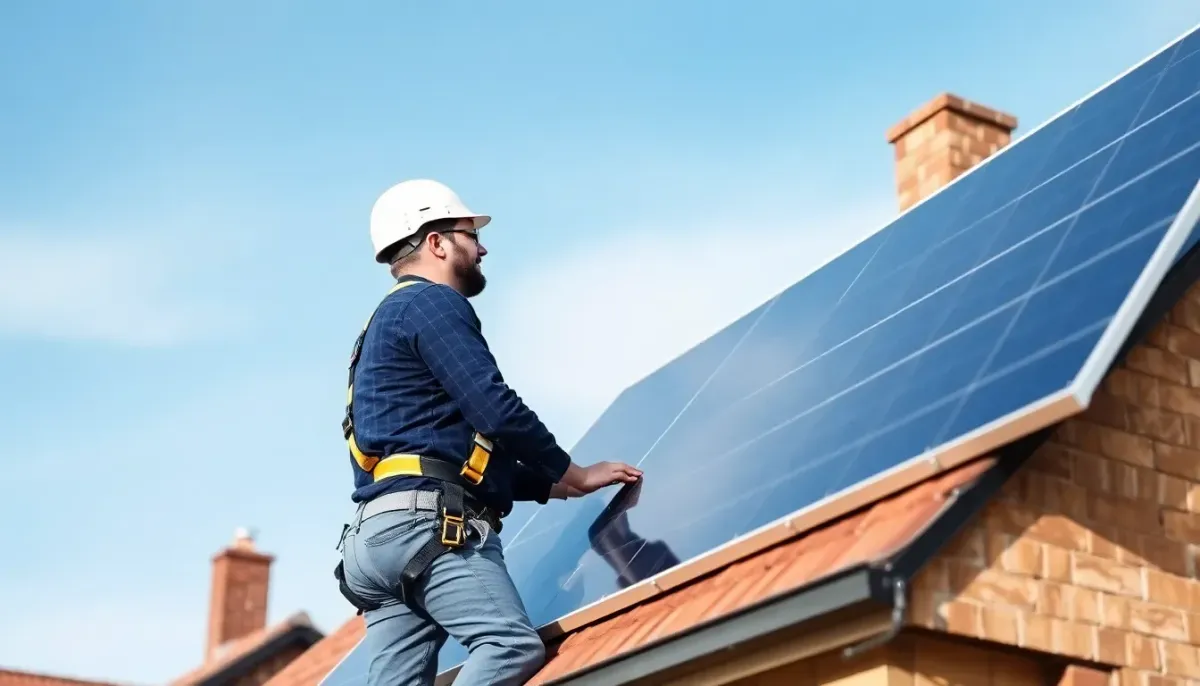
What a solar panel installation involves
A solar installation turns your roof into a small power station. The panels collect daylight, and an inverter converts it into the power your home uses. Most homes finish the job in one to three days, although scaffolding and wiring can add time.
The roof carries the system for decades, so the survey matters more than the sales pitch. A good installer checks the roof structure, the shading and your fuse board before quoting. Because these checks shape the price, ask to see them in writing.
How an installation works, step by step
- Survey: the installer measures the roof, notes shading and checks the loft and consumer unit.
- Design: they size the system to your power use and roof space, then show the expected yearly output.
- Permission: most roofs need no planning consent, but the installer asks the network operator for grid approval where needed.
- Installation: scaffolding goes up, the mounting rails and panels go on, and cables run to the inverter.
- Commissioning: the installer tests the system, issues the MCS certificate and registers it for export payments.
Each step leaves a paper trail. Keep the design, the certificate and the warranty papers together, since you will need them for export payments and for a future sale.
What affects the price
Which? quotes Energy Saving Trust estimates of about £7,000 for a typical 3.5 kWp home system. Your quote will differ because roof access, panel quality, inverter choice and scaffolding all move the price. Our guide to solar panel costs explains each factor.
VAT helps right now. HMRC zero-rates solar fitting in Great Britain until 31 March 2027. The rate returns to 5% from 1 April 2027 unless the rules change, so check the date against your timetable.
A cheaper quote is not always a better one. Panels, inverters and warranties vary, while a low price can hide thin equipment or missing scaffolding. Compare the same items side by side before you decide.
Rules, permission and grid connection
In England, most roof panels fall under permitted development. They must sit below the highest point of the roof, excluding the chimney. They also must not stand more than 200mm proud of the roof slope. Listed buildings are different, so ask your council before you order.
Your local network operator also needs to know. Small systems use a notify-after process called G98, whereas larger ones need approval first under G99. Your installer normally handles both, and they should explain which applies to you.
Who solar suits best
Solar suits homes with a mostly unshaded roof facing between south-east and south-west. East and west roofs still work, although output is lower. Households that use power in the daytime gain the most, because they use more of what the panels make.
You can compare local conditions in our guides to solar panels in Manchester and solar panels in Birmingham. If you want to add storage, read about battery storage systems. Since export payments depend on certification, read why MCS certification matters too.
Solar Panel Installation: common questions
How long does a solar panel installation take?
Most home installations take one to three days on site. The survey, design and grid paperwork happen before that, so allow several weeks from quote to switch-on.
Do I need planning permission for solar panels?
Most roof installations in England fall under permitted development, so they need no planning application. However, listed buildings, some flat roofs and certain conservation areas need extra checks, so ask your council first.
How many panels will my roof take?
A typical home system uses roughly 8 to 12 panels, which gives about 3.5 to 4.5 kWp. Your installer will fit the number to your roof space and power use, because every roof is different.
Can I fit solar panels myself?
You can, but you may not qualify for a regulated export tariff, and mistakes on a roof or in the wiring carry real risk. Because of this, most people use an MCS-certified installer.
Ready to talk about solar panel installation?
Tell us about your property and we will pass your enquiry to MCS-certified installers who cover your area.