How Much Do Solar Panels Cost in the UK?
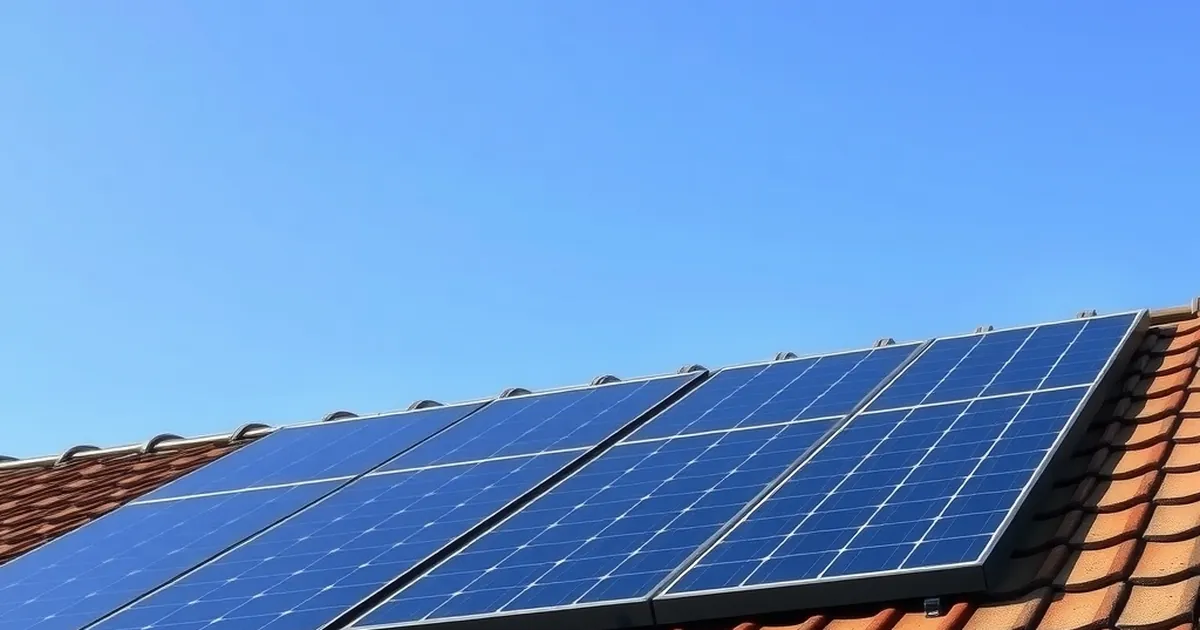
A typical UK home solar system costs roughly £5,000 to £8,000 fitted, depending on size, roof access and equipment. Which? quotes Energy Saving Trust estimates of about £7,000 for a 3.5 kWp system. Prices vary a lot, so compare at least three written quotes before you decide.
What the main price sources say
Published prices differ, and that is normal. Each source uses a different system size, date and set of assumptions. Here are the figures we could check.
| Source | System | Price quoted |
|---|---|---|
| Which?, citing the Energy Saving Trust | 3.5 kWp home system | About £7,000 |
| Energy Saving Trust calculator example | 4.5 kWp, small detached home, north west England | About £7,100 |
| Installer comparison sites | 4 kWp, typical three-bed home | Often £5,000 to £7,000 |
These figures give a rough range of £1,500 to £2,000 per kWp. That is our own arithmetic from the first two rows, so treat it as a guide, not a quote. Prices also move with the market, so check the date on any figure you read.
What drives the price
Several things shift the total, and most are easy to ask about. System size comes first. More panels cost more, but the price per panel usually falls as the system grows.
Roof access matters next. Scaffolding is a fixed cost, so it weighs more on a small system. Tall or steep streets add to it, which is one reason quotes differ between cities.
Equipment quality also counts. Premium panels and inverters cost more, yet they often come with longer warranties. Flat roofs need mounting frames, while tiles and slates need the right hooks and care.
Two extras can add a lot. A battery adds a few thousand pounds, so read our guide on whether solar batteries are worth it before you add one. An old fuse board may need an upgrade, because the new system must connect safely.
What you get for the money
The Energy Saving Trust calculator example is a useful benchmark. For a 4.5 kWp system in north west England, it expected about 2,850 kWh of power a year. It estimated a yearly benefit of about £495, which combined bill savings and export payments.
That estimate used prices from April 2024. It also assumed that the household uses 35% of what the panels make. Because prices and habits change, your own figure could be higher or lower. Use it as a starting point, not a promise.
Other published estimates are lower, and payback periods in the sources we checked range from about 7 to 15 years. That wide spread is honest. It reflects different tariffs, different roofs and different assumptions about how the household uses its power.
VAT and the date that matters
HMRC zero-rates the installation of solar panels in Great Britain until 31 March 2027. From 1 April 2027 the rate reverts to 5%, unless the rules change. You can read the rule in GOV.UK’s VAT notice on energy-saving materials.
On a £7,000 job, 5% would add £350. The date is therefore worth knowing if you plan to buy near it. Buying later could also cost more if equipment prices rise, so there is no safe rule. Compare the timing against your own needs.
Does a bigger system always pay back faster
Not always. A system saves most on the power you use yourself. Because spare power earns a lower export rate, an oversized system can slow the payback.
Our guide to selling electricity back to the grid shows how export income works. Meanwhile, our guide on whether solar panels are worth it explains how to judge the right size for your home.
How to read a quote
A good quote names every item. Look for the number and make of the panels, the inverter model and the mounting system. It should also give the total size in kWp, the warranty terms and the scaffolding.
Check whether grid paperwork and the MCS certificate are included. If a quote leaves them out, ask why. Our guide to comparing solar quotes gives a full checklist.
Price traps to avoid
Be careful with offers that sound too good. A very low price can hide thin equipment, missing scaffolding or a small system. Likewise, “free” offers rarely are, and our guide to free solar panels explains what is real.
Pressure is another warning sign. A genuine installer will give you time to compare quotes and will not push you to sign on the day. If a salesperson says the price ends tonight, walk away.
Costs differ by place
Local differences are real but modest. Scaffolding costs more on tall London terraces, while steep streets can raise access costs in other cities. Roof types differ too. See our local guides to solar panels in London, solar panels in Manchester, solar panels in Birmingham and solar panels in Nottingham.
What to do next
Start with your last 12 months of power bills, because they show how much you use. Then ask three MCS-certified installers for written quotes and compare them line by line. Our page on solar panel installation explains the process, and our page on MCS-certified installations shows how to check a certificate.
Sources
- Which?: solar panel costs
- Energy Saving Trust: solar calculator
- GOV.UK: VAT on energy-saving materials (Notice 708/6)
Ready for quotes? Use our contact form and we will pass your enquiry to MCS-certified installers who cover your area.