Are Solar Batteries Worth It? Costs, Payback and Sizing
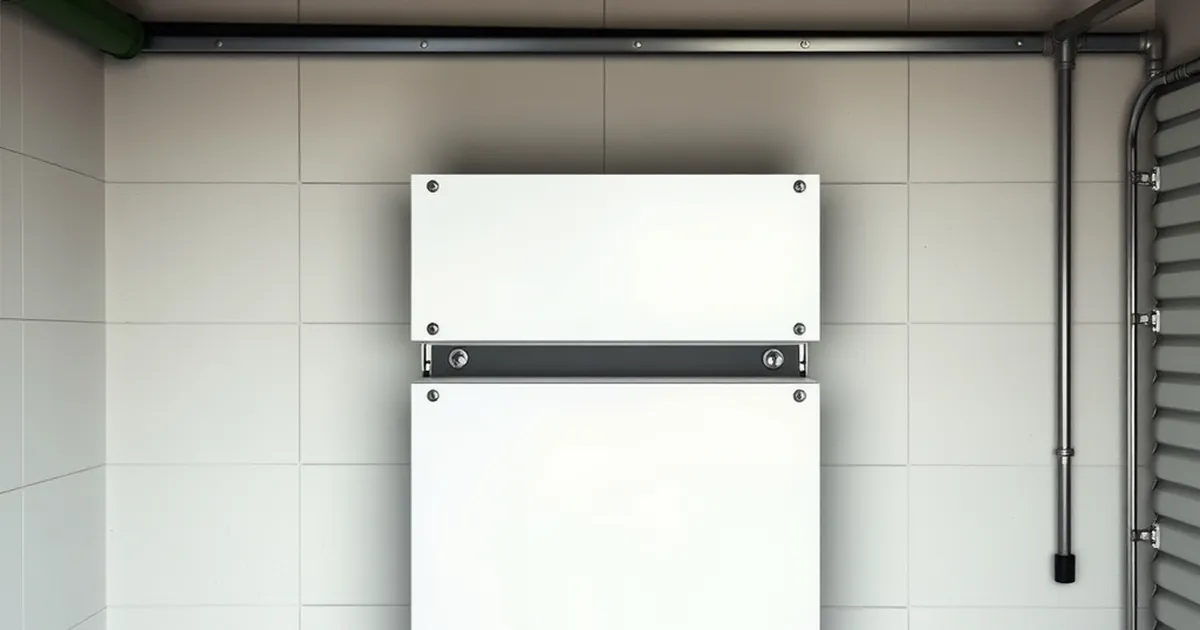
A solar battery is worth it for some homes, not all. It helps most when you use a lot of power in the evening and would otherwise export a lot at midday. Installer guides put a 5 kWh battery at roughly £2,000 to £3,000 when fitted with new panels, and around £5,000 or more on its own.
How a battery changes your solar system
Panels make most power around midday, while most homes use more in the morning and evening. A battery stores spare midday power and releases it later, so you buy less from the grid.
Without a battery, spare power goes to the grid at the export rate. With one, however, you use more of your own power instead. Our guide to selling electricity back to the grid explains why using power yourself usually beats exporting it.
What a battery costs
Prices vary widely, and guides disagree. Installer comparison sites report about £2,000 to £3,000 for a 5 kWh battery fitted with new panels, because labour and an inverter are already paid for. They report about £5,000 for the same battery on its own, and about £7,000 for a 10 kWh unit.
Averages based on MCS data are higher. One analysis gave about £1,400 per kWh installed in 2025. Because these figures differ so much, ask for quotes that show the usable capacity and the price per kWh.
Batteries also qualify for the temporary zero rate of VAT, although only for a limited time: in Great Britain until 31 March 2027, according to GOV.UK. From 1 April 2027, the rate reverts to 5% unless the rules change.
How long does a battery last
Battery lifespans are shorter than panel lifespans. One installer guide gives 10 to 12 years for a battery, while panels often carry warranties of 25 years or more. A battery may therefore need replacing before the panels do.
Check the warranty length and the number of charge cycles it covers, because both set the real lifespan. Also check how much capacity the battery must keep at the end of the warranty. These terms matter more than the headline size.
When a battery pays
A battery makes the most sense in four cases. First, evening use is high, so there is plenty to cover. Midday use is low, so most solar power would otherwise be exported. Your export rate is low, so each stored unit saves more than it would earn. And you value backup power.
Electric cars and electric heating push evening use up, so those homes gain most. Meanwhile, homes with low evening use gain less. Our page on battery storage systems explains how the equipment works. Likewise, our page on EV charger installation shows how a charger fits in.
When it does not pay
If someone is home all day and uses most of the solar power, a battery adds less. The same is true if you have a high export rate or a very small system. In these cases the money may do more elsewhere.
Which? made this point in 2017, and the logic still holds. Prices have changed since then, so check current figures before you decide. Meanwhile, our guide on whether solar panels are worth it shows how to judge the panels first.
Choosing the size
Match the battery to your evening use. Many guides suggest about 5 kWh for an average home, and more for a high-use household. A battery that is too big may never fill in winter, while a small one leaves spare power unused in summer.
Ask the installer to model your own meter data, because averages hide your real pattern. Compare usable capacity, not headline capacity. Our guide to comparing solar quotes shows how to put offers side by side.
Backup power and other extras
Many batteries shut down in a power cut for safety. Therefore, if you want backup, you need a model with that feature and the right wiring. Ask what it will power and for how long.
Some batteries can also charge from the grid on a cheap overnight tariff. That can help, although you should check that your tariff allows it. Read about costs and sizing in our guide to how much solar panels cost.
Local points
Battery decisions depend on your use, not your city. However, local factors such as roof access still matter for the install. See our local guides to solar panels in Edinburgh, solar panels in Liverpool, solar panels in Leeds and solar panels in Bristol.
Sources
- GOV.UK: VAT on energy-saving materials (Notice 708/6)
- Energy Saving Trust: solar calculator
- Which?: solar panels and energy storage (2017)
Ready to price a battery? Use our contact form and we will pass your enquiry to MCS-certified installers who cover your area.
More solar guides from Y Solar